Most failures startbetween systems.
We map every critical node in your operation, find the ones that would take everything else down with them, and give you a plan to keep running when they fail.
Old frameworks check each system on its own. Modern outages happen where those systems meet.
Instability is not an event to recover from. It is the operating condition to design for.
The ASR doctrine, now in print.
- Decision SovereigntyA Governance Architecture for the Authority Layer of Critical Infrastructure Resilience
- Resilience as ArchitectureDesigning Critical Systems for Continuity Under Permanent Instability
By Syed Abid Shah
as
ArchitectureDesigning Critical Systems for Continuity Under Permanent InstabilitySyed Abid Shah
Map. Score. Plan.
- 01Map
We map what you depend on
Every asset, system, supplier, and person that your operation cannot run without.
- 02Score
We score how fragile it is
One number — the System Resilience Value — showing expected uptime over ten years.
- 03Plan
We give you a 72-hour plan
Clear instructions so each site keeps operating even when central control is gone.
Six layers. One shared point of failure.
We look at all six layers together and follow how a single outage travels between them.
Software & AI
Software, AI agents, sensors, OT/IT integration, and the data paths that now carry operational authority.
- SCADA / DCS
- Customs & ERP systems
- AI decision agents
- IoT sensor estates
At Karachi Port the pivot domino was the WeBOC customs platform — software, not steel, gated regional trade.
Which system quietly holds veto power over operations?
The Invisible Domino in the Maritime & Port Ecosystems
At Karachi Port, the weakest link was not a crane or a berth. It was the WeBOC customs system — one piece of software capable of stalling regional trade.
Operational Matrix
SRV / FindingJebel Ali Free Zone
Transshipment hub, mapped across physical and digital links.
Housing Township / Pakistan
Backup routes for water, power, and services.
Alpha Town Study
One person turned out to be the single point of failure.
Critical infrastructure, end to end.
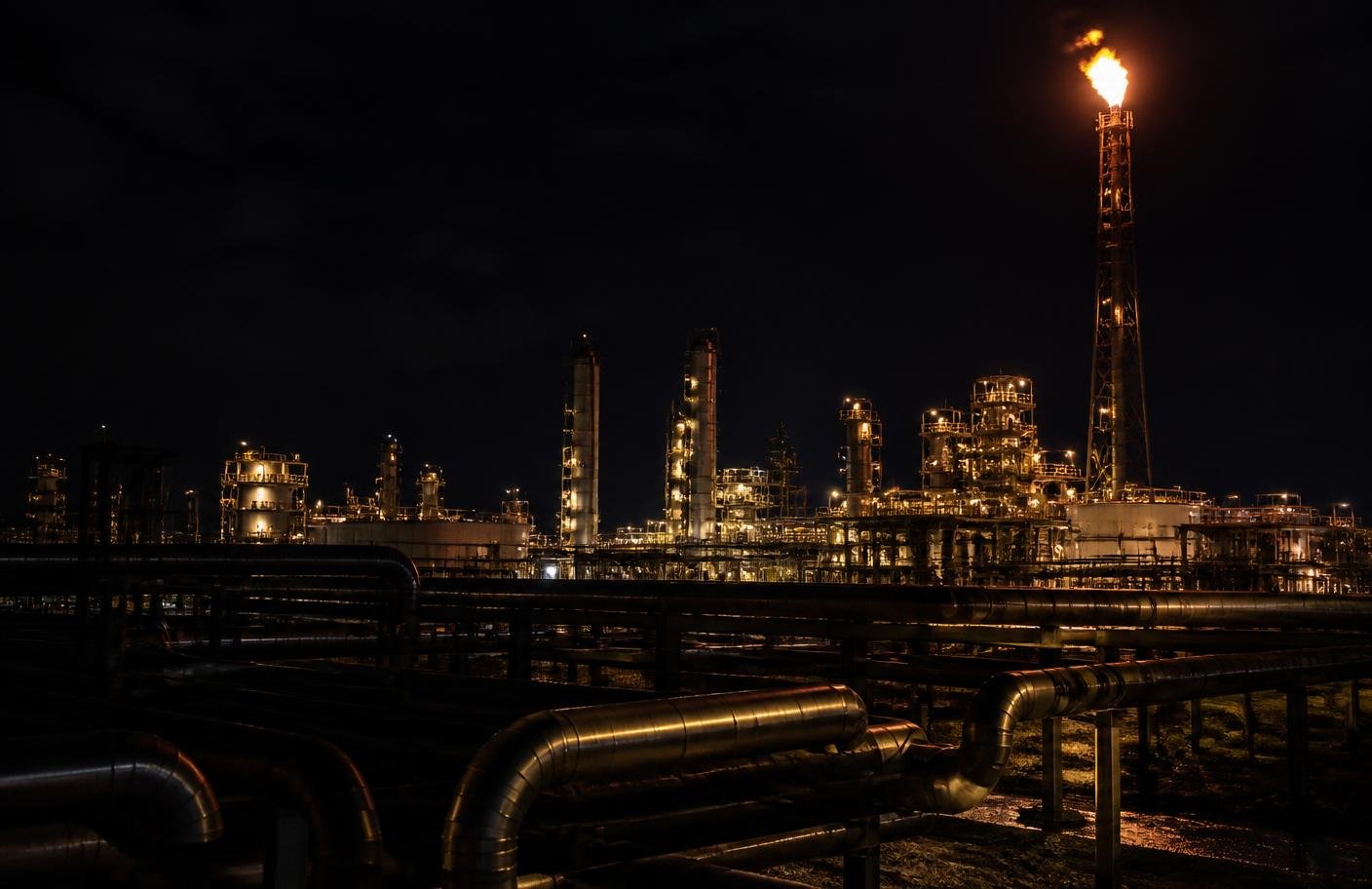
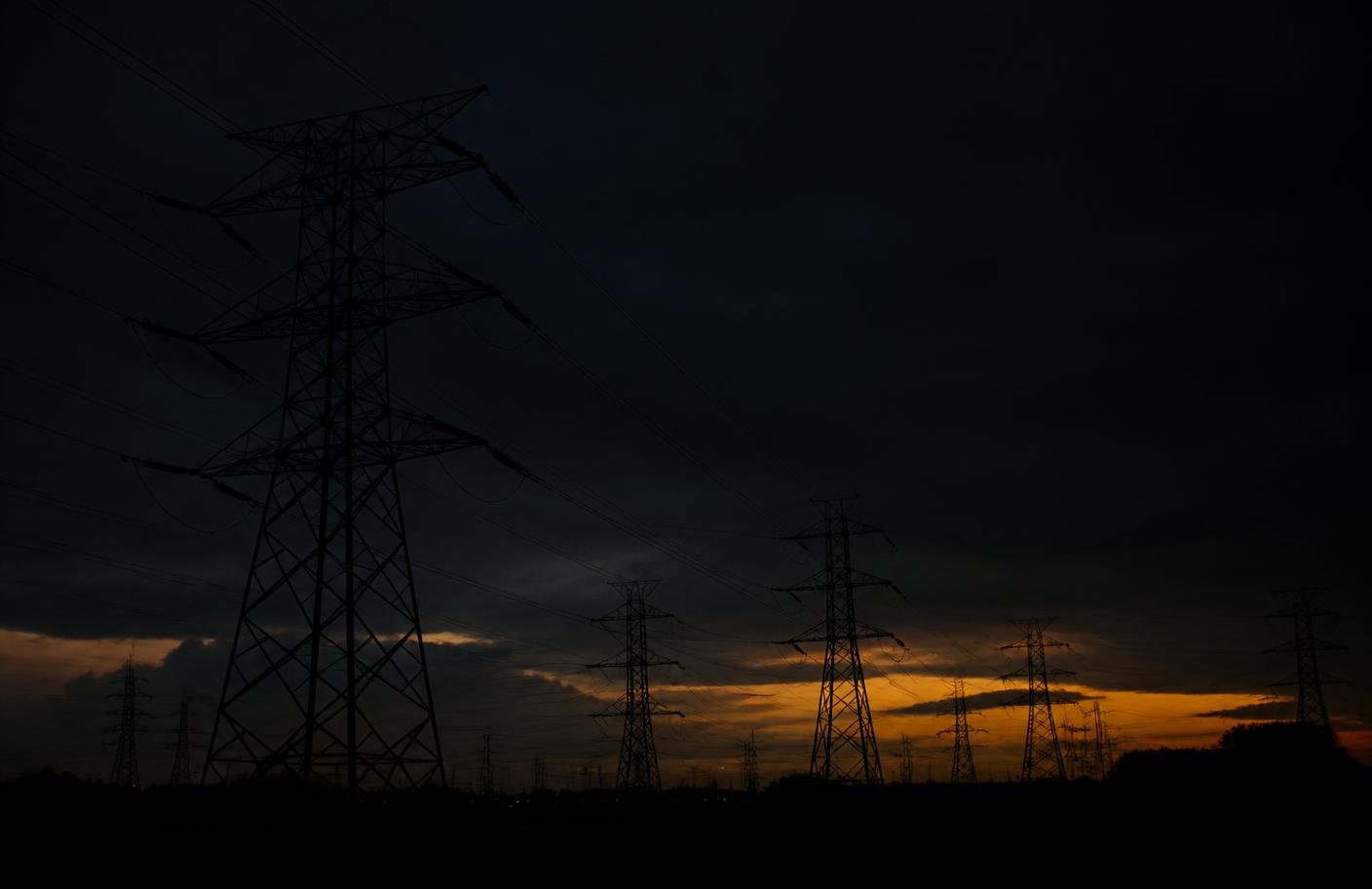

The four-step methodology
A repeatable engagement sequence, from first node registry to annual certification.
- Step 0101
Mapping
Asset vulnerability mapping across six domain layers — exposure, dependency, and replaceability scored per node.
OutputNode registry & fragility metrics - Step 0202
Implementation
Digital implementation of the framework: node registry, ASR Engine deployment, and commander’s intent doctrine embedded in governance.
OutputASR Engine & governance doctrine - Step 0303
Exercises
Live operational exercises with digital twins — smoke tests observe trigger behaviour and shock propagation through pivot nodes.
OutputObserved cascade paths - Step 0404
Certification
Annual or biannual system certification with updated SRV, degraded-conditions protocol, and pivot-domino registry.
OutputCertified SRV & 72h protocol
Cycle repeats with each annual or biannual certification
A yearly retainer, or a fixed-fee project.
Ongoing certification once or twice a year, plus fixed-fee work to cost the changes and show the return.
Resilience briefings, roughly once a month
Short reads on single points of failure, degraded-conditions planning, and the cross-domain outages we are tracking — sent when there is something worth your time, not on a schedule.